
Crafting
Breathedge 2 crafting and resource guides: scavenging, recipes, tool and equipment upgrades, repairs, inventory and what-to-craft-first priorities.
Introduction
Crafting is the engine of Breathedge 2's survival progression. In Early Access you scavenge resources at stations, wrecks and planetary surfaces, then use blueprints and components at your workbench to craft tools, equipment and repairs. The system sits at the center of the developer's 2026 rework, which deliberately doubled down on survival and crafting compared to the original game. This category explains how gathering works, which resources appear where, how recipes and blueprints are used, and how upgrades and repairs keep you alive as enemies and hazards scale through chapter 1. You will also find clear what-to-craft-first priorities so you never waste rare materials on the wrong upgrade. Some deeper systems — like resource distribution across star systems — are based on demo observations and official announcements, so articles mark anything that is not yet confirmed at launch. The crafting guides are ordered by usefulness: fundamentals first, then tools, then upgrades, then the roadmap items that will arrive later in early access.
Crafting Loop Quick Reference
| Stage | Action | Key Info |
|---|---|---|
| Gather | Scavenge | Collect resources at stations, wrecks and planetary surfaces |
| Blueprint | Unlock recipes | Learn blueprints through quests, exploration and purchases |
| Workbench | Craft | Combine components into tools, equipment and repairs |
| Upgrade | Improve | Spend materials to upgrade suit, tools and gear |
| Repair | Maintain | Fix damaged equipment before it fails mid-journey |
Crafting Priorities
Resource Gathering
Where materials come from in early access: stations, wrecks and planetary surfaces, plus the scavenging loop that feeds everything.
Tools & Equipment
Crafting your first tools and equipment at the workbench — the backbone of early progression in the survival loop.
Upgrades & Repairs
How upgrades and repairs interact: spend materials to improve your gear, and keep it repaired to survive tougher zones.
Blueprint Discovery
How blueprints unlock: through quests, exploration and vendors, and how to prioritize which recipes to chase first.
Roadmap Building
What the developers plan for crafting later: the personal spacecraft and a full building system on the roadmap.
Core Mechanics
The crafting system in Breathedge 2 works as a closed loop with survival at its center. You gather resources from stations, wrecks and planetary surfaces; those materials feed blueprints that craft tools, equipment and repairs at your workbench; and every crafted item either extends your survival (oxygen refills, suit patches), improves your efficiency (better scavenging tools, stronger weapons) or unlocks new exploration (vehicles and ship upgrades). Blueprints are unlocked through quests, exploration and interaction with living NPCs, and some of the most valuable recipes come from side quests that players can easily miss. Upgrades consume materials permanently, so the what-to-craft-first priority list is important: oxygen capacity, suit repairs and efficient gathering tools generally return more value than weapons or cosmetic improvements early on. Repair is a separate ongoing cost — damaged equipment performs worse and can fail entirely, so maintaining your gear is not optional. For later early access content, the developers have mentioned plans for a personal spacecraft and the eventual building system, but those remain roadmap promises at this stage of the early access program.
Advantages
The crafting category converts the sequel's expanded survival economy into practical, sequential advice. Because the 2026 rework deliberately doubled down on survival and crafting, understanding the loop early is more important than in the original game — players who ignore gathering and repair will hit a wall quickly. The guides here explain not just what recipes exist but the order in which to pursue them, using verified information from the Steam page and demo observations. That ordering saves real materials: a resource spent on the wrong upgrade is a resource you cannot use for oxygen refills or a critical repair. The category also documents blueprint discovery routes, which prevents players from missing essential recipes hidden in side quests. For players balancing exploration, combat and crafting, these guides turn a potentially overwhelming system into a clear progression path, and the roadmap flagging keeps expectations honest about what is not yet in the launch build.
Challenges
Crafting details are among the hardest things to pin down for a game that has not fully launched. The demo showed the core loop, and official announcements confirm the direction, but exact recipe costs, material spawn rates and upgrade curves may change between the demo and early access, and may be rebalanced during early access itself. Resource distribution across star systems is described based on demo observations and developer statements rather than exhaustive testing of the full chapter 1 map. Some planned systems — such as the larger building mechanic — are only roadmap promises and could arrive later or in a different form. Readers should treat specific numbers as current-early-access values and re-check guides after each major update, since crafting balance is exactly the kind of system developers tune with player feedback.
Frequently Asked Questions
Where do I find crafting resources?+
What should I craft first in Breathedge 2?+
Is the building system available at Early Access launch?+
Quick Tips
Never leave for a scavenging run without at least one oxygen refill and repair materials. The most common early game failure is being caught far from a refill with a depleted tank and a damaged suit. Plan your route as a loop: gather at the edge, repair at your workbench, then push deeper only when your survival bar is comfortable. This one habit prevents most of the frustrating deaths in the opening hours.
Prioritize oxygen capacity upgrades before almost anything else. A larger tank means longer excursions, which means more resources per trip and less time wasted shuttling between your base and the far reaches of the map. If you are torn between two upgrades and one improves survival and the other improves cosmetics, the survival choice is almost always correct in early access. Check the upgrade priority guide for the current best order.
Complete side quests that grant blueprints before progressing the main story. Several key recipes in chapter 1 are tied to optional content, and finishing them early gives you tools that make the critical path much smoother. The quest order guide marks exactly which side quests to prioritize. Treat blueprint rewards as part of your material economy — a recipe you unlock is a recipe that stops costing you scavenging trips later.
Repair your gear at your workbench after every major excursion rather than waiting for failures. Repairing early costs fewer materials than replacing or recovering from a mid-journey failure, and a well-maintained suit makes even hostile zones manageable. Build a habit of a quick maintenance pass whenever you return to your base — it is cheap, fast, and keeps your survival margins healthy across the whole chapter.
Featured
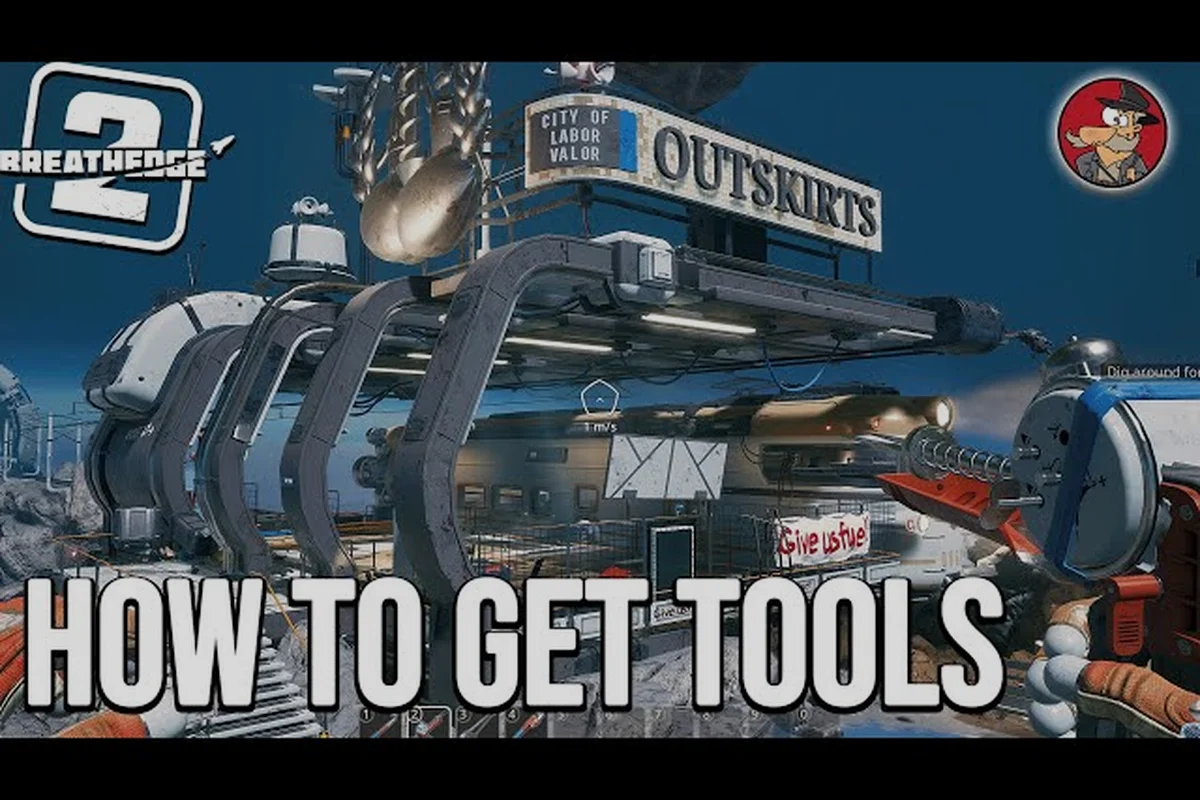
Breathedge 2 equipment crafting: tools and gear tiers
Build smarter with Breathedge 2 equipment crafting. Tools no longer break after a few uses, and the 2026 rework makes each item meaningful and upgradeable.

Breathedge 2 upgrades: the best early improvements
Pick the best Breathedge 2 upgrades early and avoid wasting materials. Compare suit, tool, and equipment options from the demo and official roadmap.
Breathedge 2 materials guide: where to find everything
Know where to find materials in Breathedge 2: scrap, components, and rare resources across stations and wreckage. This guide lists the best gathering spots.
All Articles

Breathedge 2 early access crafting: what you can make
Discover what Breathedge 2 crafting looks like for Early Access players at launch. Blueprints, duct tape, and tools form the loop, with more items planned.
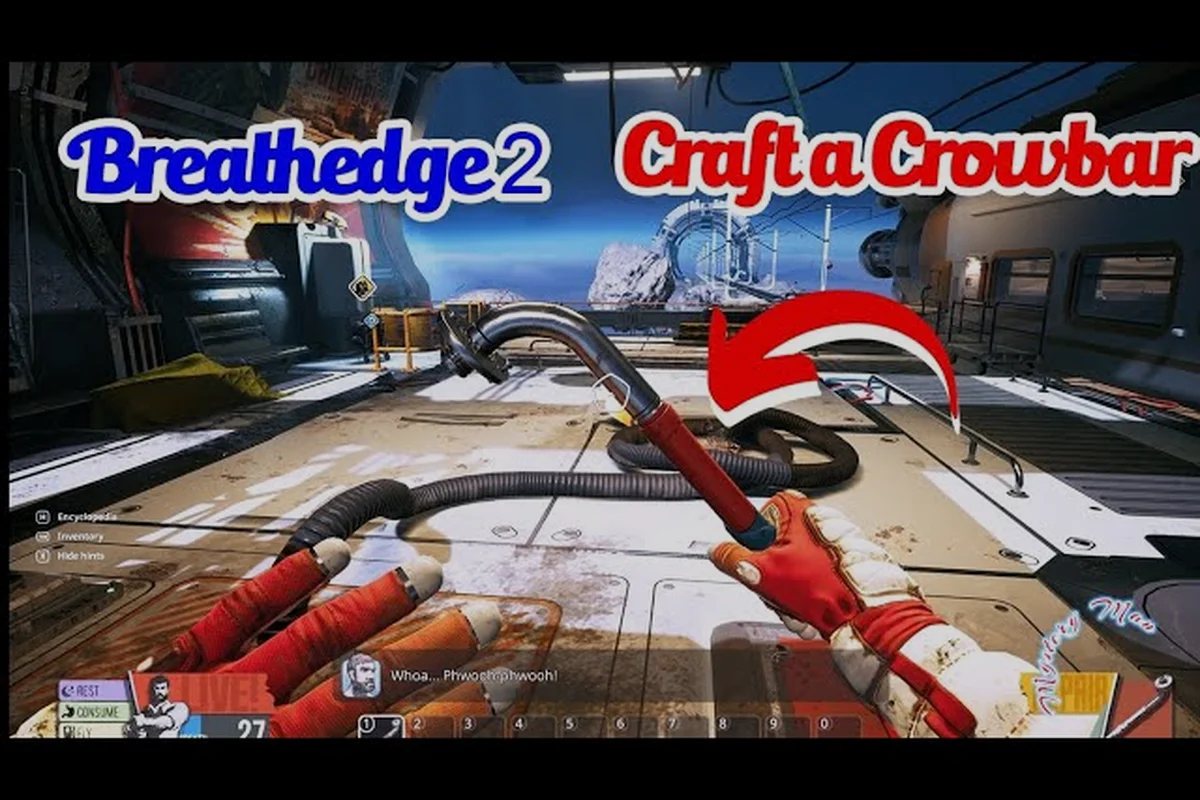
Breathedge 2 resources: gathering, scrap and materials
Manage your Breathedge 2 resources like a scavenger: gather scrap, salvage wreckage, and store materials. This guide ranks what to hoard and spend first.

Breathedge 2 suit upgrades: what to craft and buy first
Prioritize Breathedge 2 suit upgrades for oxygen, temperature, and carry capacity. The demo shows which suit modules matter first and how to get them.
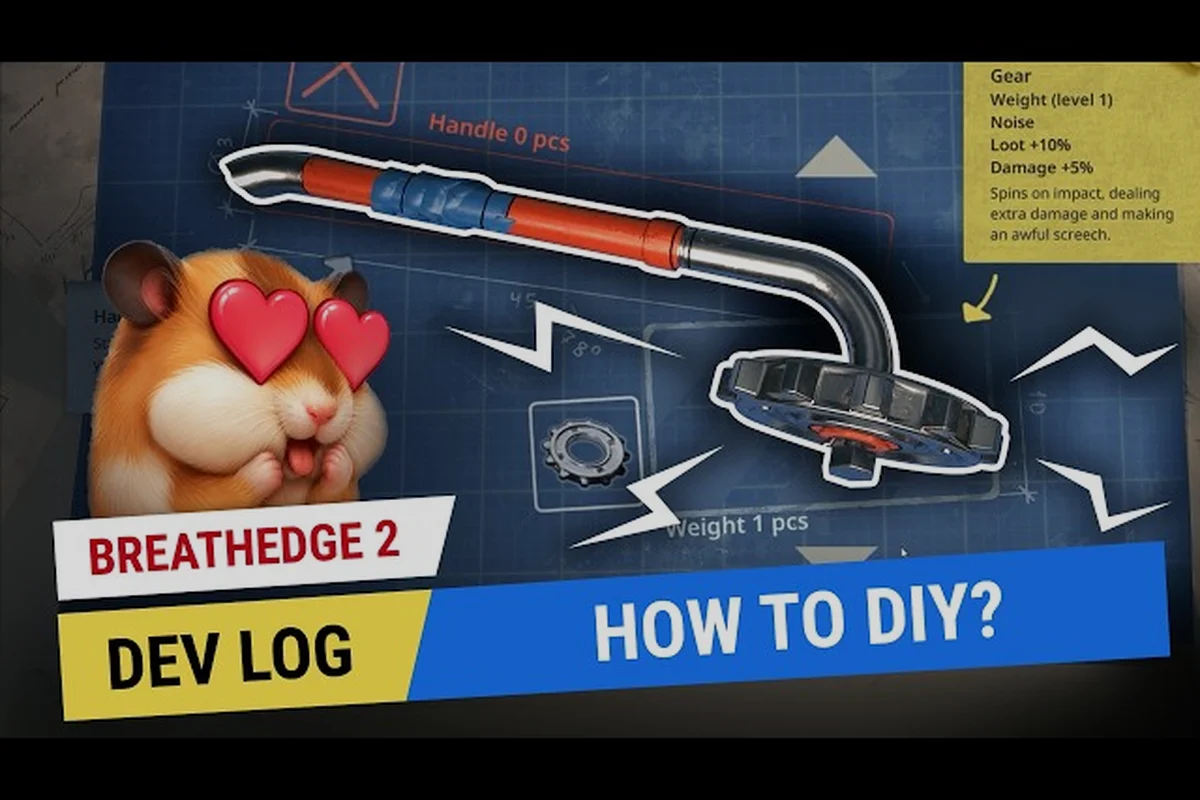
Breathedge 2 crafting guide: recipes and priorities
Use this Breathedge 2 crafting guide to build the right tools in the right order. Understand blueprints, resource gathering, and early upgrade priorities.